Blog
Blog
How to Identify and Challenge Unconscious Bias: A Leader’s Guide to Self-Awareness
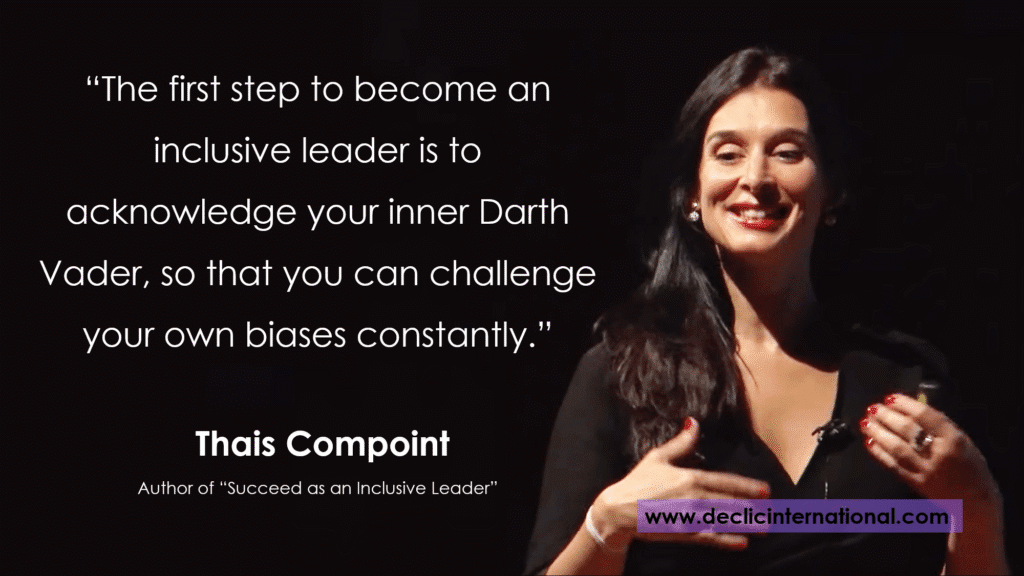
As inclusive leaders, we often pride ourselves on our values and good intentions. We believe we treat everyone fairly, make objective decisions, and create welcoming environments for all. Yet here’s an uncomfortable truth we must face: our unconscious biases can still influence our leadership decisions, even when we’re trying our best to be inclusive.
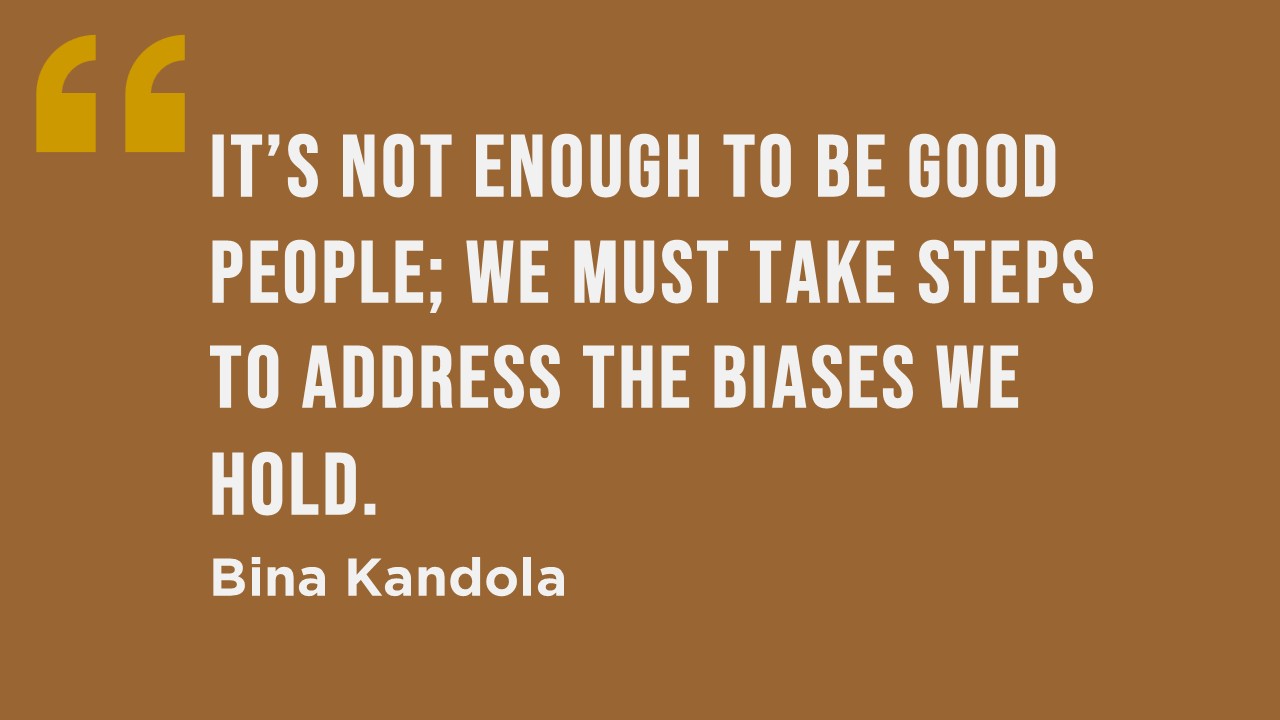
Binna Kandola puts it perfectly: “It’s not enough to be good people; we must take steps to address the biases we hold.” This statement hit me hard when I first encountered it, and it should resonate with all of us who are serious about inclusive leadership.
The Hidden Nature of Unconscious Bias in Leadership
When leaders ask me, “How can we challenge something that’s often unconscious?” I understand their frustration. It feels like fighting an invisible enemy. But here’s the thing – our biases, both conscious and unconscious, leave breadcrumbs. We just need to know where to look and how to follow the trail.
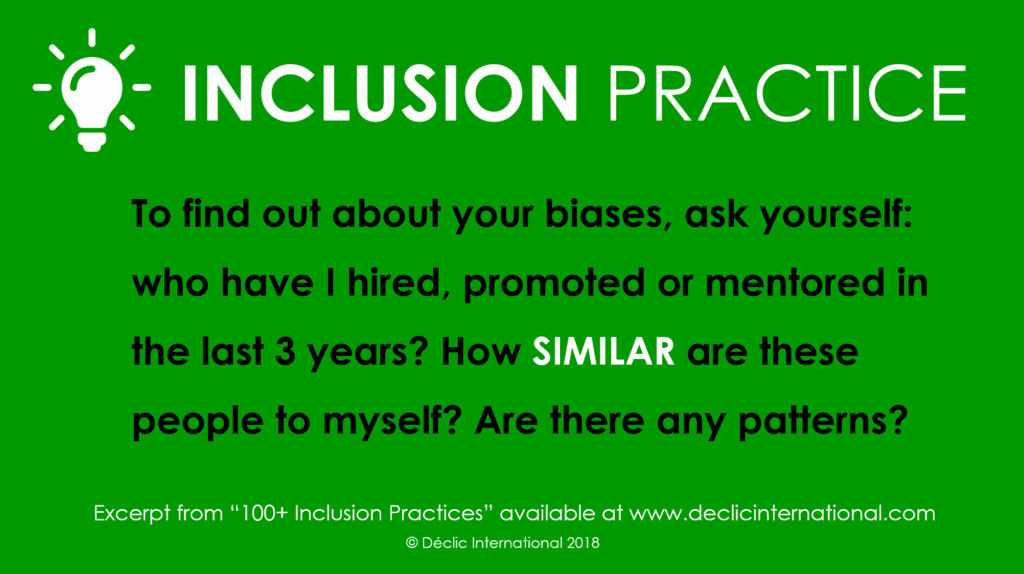
Our unconscious biases don’t operate in isolation. They influence our hiring decisions, promotion choices, team assignments, and daily interactions. They shape how we interpret performance, assess potential, and evaluate leadership readiness. The challenge isn’t that we have biases – it’s that we often don’t realize how they’re affecting our leadership decisions.
The Power of the Implicit Association Test for Leaders
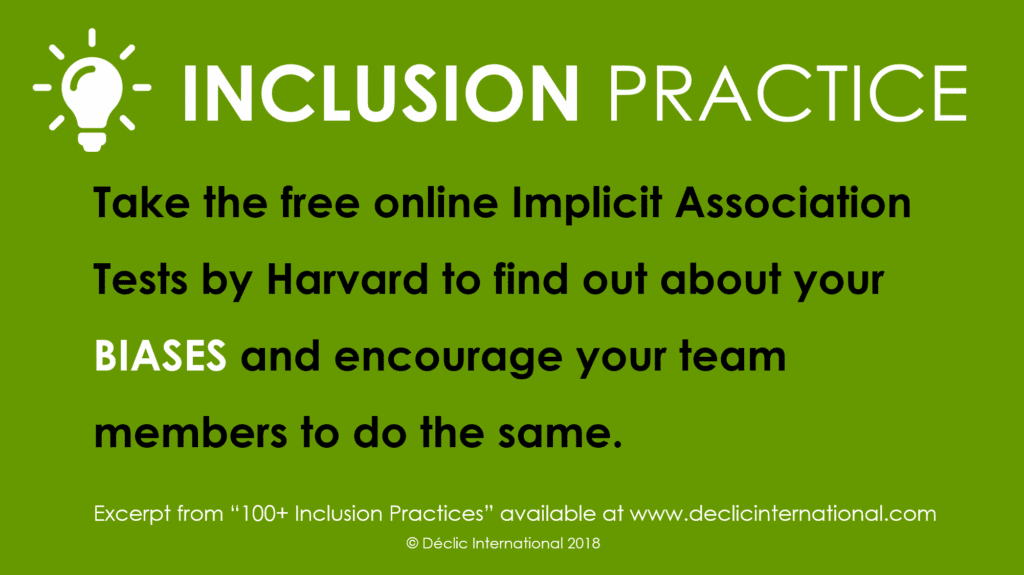
One of the most powerful tools we have for uncovering unconscious bias is the Implicit Association Test (IAT). Developed by researchers from Harvard University, the University of Washington, and the University of Virginia in the late 1990s, this free online assessment has become one of the most scrutinized and widely used psychological tools for measuring implicit biases.
What makes the IAT so valuable for inclusive leaders is its ability to reveal the gap between our explicit values and our implicit thoughts. We can test ourselves across various dimensions – gender, ethnicity, sexual orientation, age, weight, and more. Since 2005, over 20 million people worldwide have taken the IAT, making it a globally recognized tool for bias awareness.
I’ve used the IAT in countless leadership training sessions, and the reactions are never neutral. Some leaders feel relieved when their results align with their conscious beliefs. Others experience disappointment or frustration when there’s a disconnect. This discomfort is actually valuable – it’s cognitive dissonance surfacing, showing us where our explicit values don’t match our implicit thoughts.
Let me share a personal example. Years ago, when I took my first IAT, the results showed a slight preference against Arabs in France. I was shocked, not only because of my values but also because my children have Arab heritage. Through reflection, I realized I had been making the implicit association: Arab men = sexist men. This was a crucial wake-up call for me as a leader.
Recently, I paused while writing this very piece to take two IATs – one on race and the other on age. I was pleased to see “Little or no preference” for Black or White people, or for young or old people. But this doesn’t mean I’m off the hook. We must continue being mindful of our behaviors, because unconscious bias is an ongoing challenge, not a one-time fix.
Creating Team Conversations Around Bias
Some of the most powerful IAT experiences happen when leadership teams take the assessments individually and then discuss their results collectively. This isn’t about finger-pointing or creating shame – it’s about starting mature conversations about the potential biases in our people decisions.
However, this approach requires careful consideration. It works best when everyone already understands the mechanics of unconscious bias and there’s strong psychological safety within the team. Without these conditions, the exercise can backfire, leading to defensiveness rather than growth.
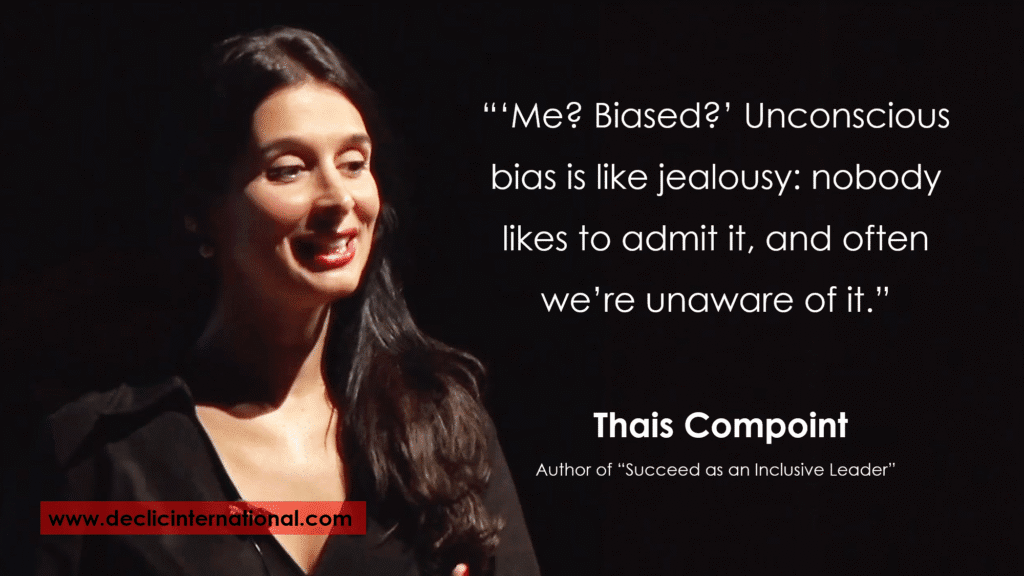
A colleague once told me something revealing: “If I had biases, people would let me know because it would show up.” This response demonstrates a fundamental misunderstanding of how unconscious bias operates. Our biases influence our behaviors and decisions in nuanced ways that are often hard to spot – both for ourselves and others.
The Bias Awareness Journey for Inclusive Leaders
Understanding our unconscious biases is just the beginning. The real work lies in developing systems and practices that help us catch these biases in action and make more inclusive decisions.
The more we examine our personal biases, the more we’re empowered to respond thoughtfully instead of reacting automatically to differences. This shift from reaction to response is crucial for inclusive leadership. It creates space for us to pause, reflect, and choose our actions based on our values rather than our unconscious programming.
For inclusive leaders, this work isn’t optional – it’s essential. We set the tone for our organizations, influence countless careers, and shape the experiences of everyone we lead. When we commit to identifying and challenging our biases, we model the kind of self-awareness and growth mindset that creates truly inclusive cultures.
Making Bias Awareness a Leadership Practice
The journey of bias awareness isn’t a destination – it’s an ongoing practice. We don’t take an IAT once and declare ourselves bias-free. Instead, we commit to regular self-examination, seeking feedback, and continuously learning about how our unconscious biases might be influencing our leadership.
This work requires courage. It means being willing to discover uncomfortable truths about ourselves and taking action to address them. It means accepting that despite our best intentions, we might still be making decisions that unintentionally exclude or disadvantage certain groups.
But here’s what I’ve learned: leaders who embrace this work become more effective, more trusted, and more successful at creating inclusive environments. They build stronger teams, make better decisions, and create cultures where everyone can thrive.
Moving Forward as Inclusive Leaders
As we continue our journey toward more inclusive leadership, let’s remember that awareness is just the first step. The real transformation happens when we turn that awareness into action – when we implement systems, practices, and habits that help us lead more inclusively every day.
We must be willing to examine ourselves honestly, seek feedback courageously, and change our behaviors consistently. This is how we move from being good people with good intentions to being inclusive leaders who create real change.
The work isn’t always comfortable, but it’s always worthwhile. Because when we do this work – when we identify and challenge our biases – we don’t just become better leaders. We become the kind of leaders who can create workplaces where everyone belongs, contributes, and thrives.
Thanks for reading. Let me know your thoughts in the comments!
***
This piece is adapted from my upcoming book, Practising Inclusive Leadership.
Curious about my Inclusive Leadership Online Programme for HR professionals or my Inclusive Leadership Train-the-Trainer Retreat in Cyprus? Click HERE to register your interest and get all the details and early birds.